 Reviews

 Proudly American

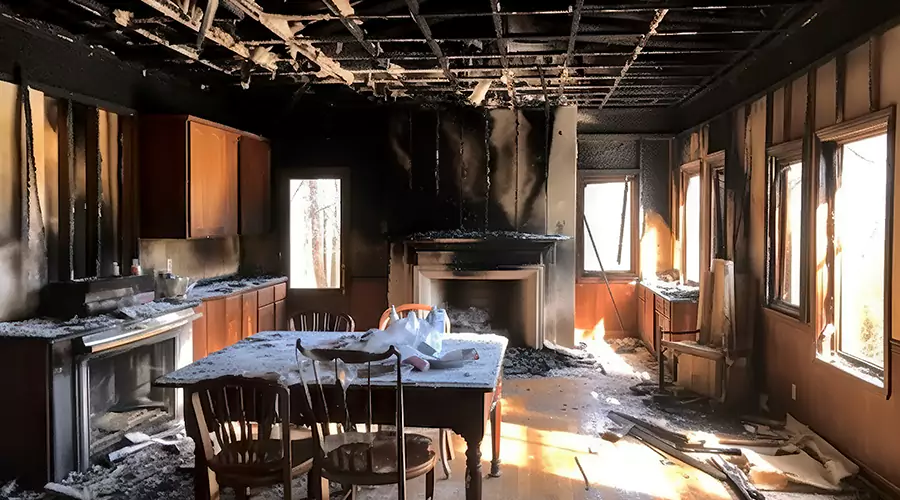
After a house fire, most homeowners focus on the areas that look burned. Charred walls, damaged furniture, black ceilings, and broken materials are easy to notice. However, fire damage is not always limited to the room where the flames started. Smoke, soot, heat, ash, odor, and water from firefighting efforts can spread throughout the home and create hidden problems.
Hidden fire damage can be serious because it may not appear right away. A room may look mostly clean, but smoke residue may be inside vents, behind cabinets, on walls, or inside fabrics. Water used to put out the fire may be trapped under flooring or behind drywall. Heat may affect wiring, appliances, and structural materials.
Knowing what hidden fire damage homeowners often miss can help you understand why a full inspection is important after any fire, even a small one.
Why Hidden Fire Damage Matters
Fire damage can continue affecting a home after the flames are out. Smoke particles can settle into porous materials. Soot can stain surfaces and damage finishes. Water can soak into floors, walls, and ceilings. Strong odors can remain inside the property for weeks if the source is not removed.
Hidden damage matters because it can lead to bigger problems later. Missed smoke residue can cause long lasting odors. Missed moisture can lead to mold. Missed structural damage can create safety concerns. Missed electrical damage can become a fire risk.
A professional fire damage restoration inspection helps identify both visible and hidden damage before repairs begin.
Smoke Damage in Rooms Away From the Fire
Smoke can travel far from the fire source. It moves through hallways, open doors, vents, stairways, attic spaces, and small gaps around walls and ceilings. A small kitchen fire may leave smoke residue in nearby bedrooms, closets, and living areas.
Homeowners often miss smoke damage because it may appear as a light film instead of heavy black stains. Sometimes the only sign is a lingering smoky odor.
Smoke may settle on:
- Walls and ceilings
- Furniture and upholstery
- Curtains and bedding
- Clothing inside closets
- Cabinets and drawers
- Electronics and appliances
- Books, papers, and documents
- HVAC vents and returns
If smoke damage is not cleaned properly, odors and stains can remain long after the fire.
Soot Hidden on Surfaces
Soot is a fine residue left behind after materials burn. It can be dry, oily, sticky, or powdery depending on the type of fire. Soot often settles on obvious surfaces, but it can also hide in corners, behind furniture, inside cabinets, and around vents.
Soot can damage paint, metal, glass, plastics, flooring, and furniture if it sits too long. Some soot is acidic and can cause staining or surface damage over time.
Many homeowners make the mistake of wiping soot with a wet cloth. This can smear residue and push it deeper into materials. Fire restoration professionals use the right cleaning method based on the type of soot and the surface affected.
Smoke Odor Trapped in Porous Materials
One of the most frustrating hidden fire damage problems is smoke odor. The smell can stay trapped inside porous materials even after visible soot is cleaned.
Smoke odor can hide in:
- Drywall
- Carpet and padding
- Wood framing
- Upholstered furniture
- Mattresses
- Clothing
- Curtains
- Insulation
- Cabinets
Air fresheners and sprays only cover the smell temporarily. Proper odor removal requires cleaning the affected materials and removing the source of the odor. In some cases, professional deodorizing equipment may be needed.
Water Damage From Firefighting Efforts
Many house fires also create water damage. Firefighters may use large amounts of water to put out flames. Sprinkler systems can also soak rooms, ceilings, and contents.
This water can travel under flooring, behind baseboards, into drywall, and down through ceilings. Homeowners may miss this damage because the fire damage feels more urgent.
Hidden water damage after a fire can lead to:
- Mold growth
- Soft drywall
- Wet insulation
- Warped flooring
- Musty odors
- Ceiling stains
- Damaged cabinets
- Subfloor problems
Fire damage restoration often includes water extraction and structural drying because smoke cleanup alone is not enough.
Damage Inside HVAC Systems
Smoke can enter heating and cooling systems during a fire. If the HVAC system runs during or after the fire, smoke particles may move through ducts and vents. This can spread odor and residue to areas that were not directly affected by flames.
Signs of possible HVAC smoke damage include smoky smells when the system turns on, soot around vents, dust that smells burned, or smoke odor in rooms far from the fire.
The HVAC system should be inspected before it is used again. Turning it on too soon can spread smoke particles throughout the home.
Hidden Electrical Damage
Heat, smoke, water, and soot can affect electrical systems. Even if outlets and switches look normal, wiring behind walls may have been exposed to heat or moisture. Appliances and electronics may also be damaged by smoke residue, heat, or firefighting water.
Homeowners should avoid using damaged outlets, appliances, or electrical panels after a fire until they are inspected. Electrical damage is not always visible from the outside, so professional evaluation is important.
Attic and Crawl Space Fire Damage
Fire and smoke can move into attics and crawl spaces, especially when there are openings, vents, or gaps. These areas are easy to overlook because homeowners do not check them often.
Attics may contain smoke damaged insulation, charred wood, soot residue, or moisture from firefighting efforts. Crawl spaces may also collect smoke odor, water, or debris.
If these spaces are not inspected, odor and moisture problems may continue after the rest of the home is cleaned.
Structural Materials Affected by Heat
Heat can damage materials even if flames did not fully burn them. Wood framing, roof supports, ceiling joists, beams, and wall studs may need inspection after a fire. Some materials may look stable but may have been weakened by heat or water exposure.
Warning signs may include sagging ceilings, soft floors, cracked walls, shifting trim, or areas that feel unstable. Do not enter or walk through damaged areas until the property has been cleared for safety.
Personal Belongings With Hidden Damage
Smoke and soot can affect belongings that appear normal. Clothing, furniture, electronics, documents, photos, toys, dishes, and decor may need cleaning or inspection.
Electronics are especially sensitive because smoke residue can settle inside devices. Clothing and fabrics can hold smoke odor even if they do not look dirty.
A restoration company can help sort items into what may be cleaned, restored, or replaced.
Why a Professional Fire Damage Inspection Is Important
A professional inspection helps identify damage that is not obvious. Restoration teams check smoke paths, soot deposits, moisture levels, structural concerns, HVAC areas, contents, and hidden spaces.
A complete inspection may include:
- Smoke and soot assessment
- Moisture inspection
- Odor source identification
- HVAC and vent review
- Attic and crawl space checks
- Structural safety concerns
- Content damage review
- Repair planning
This helps create a safer and more complete restoration plan.
Final Thoughts
Hidden fire damage is easy to miss because flames are only one part of the problem. Smoke, soot, odor, water, heat, HVAC contamination, electrical concerns, and structural issues can affect areas far from the fire source.
Homeowners should never assume a room is safe or clean just because it does not look burned. After a house fire, wait for safety clearance, document the damage, avoid cleaning soot yourself, and schedule a professional fire damage restoration inspection. Finding hidden damage early can protect your home, reduce long term odors, prevent mold, and support a safer recovery.